
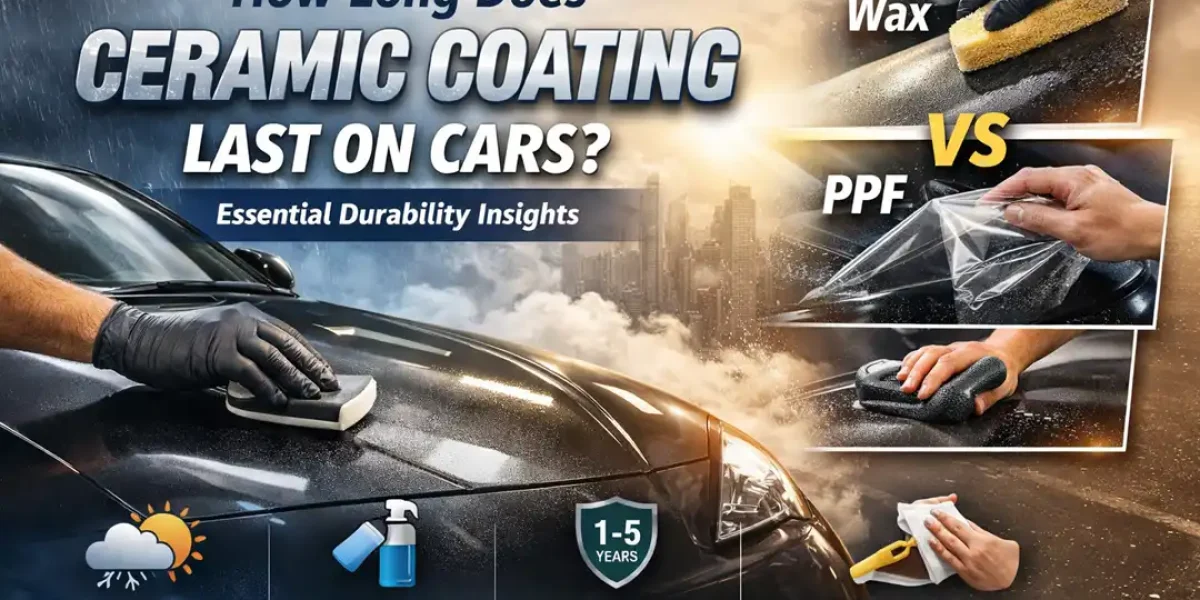
Ceramic coating is a great way to protect your car’s paint. It gives a shiny finish and helps keep it safe from dirt and scratches. But how long does ceramic coating last? This is a common question from car owners. The truth is, it depends on several things. These include the type of coating, how it’s applied, and how you take care of it.
In this guide, we will explore everything you need to know about the lifespan of ceramic coatings. We will discuss what factors affect how long they last and how to maintain them for the best results. We will also compare ceramic coatings with other protection methods, like waxing and paint protection films. This will help you decide if ceramic coating is right for your car.
By the end of this article, you will understand how long ceramic coatings last and how to make them last even longer. If you want to keep your car looking new, this guide is for you. Let’s get started!
How Long Does Ceramic Coating Last?
The lifespan of ceramic coatings typically ranges from 1 to 5 years, depending on the product’s quality, application method, and maintenance. Professional-grade coatings generally last longer, around 5 years, while DIY coatings may need reapplication every 1 to 2 years.
Factors Influencing Lifespan
- Environmental Impact on Durability
The environment plays a significant role in how long your ceramic coating lasts. Extreme weather conditions, such as intense sun, heavy rainfall, and snow, can cause the coating to wear down faster. If your car is exposed to harsh conditions regularly, you may need to reapply the coating more frequently. - Car Maintenance Effects
Regular cleaning and maintenance are crucial for extending the lifespan of your ceramic coating. Using harsh chemicals or abrasive cleaning tools can damage the coating. Proper washing techniques with gentle, pH-balanced products help maintain the coating’s effectiveness. - Product Quality & Application Type
The quality of the ceramic coating also affects its longevity. Professional-grade coatings tend to last longer due to their superior formulation and expert application. DIY coatings are easier to apply but may not offer the same level of protection or durability.
What’s the Typical Lifespan of a Ceramic Coating?
- Industry-Standard Lifespan
On average, professional-grade ceramic coatings last 5 years with proper care. Some high-end coatings may offer warranties up to 10 years, but real-world results depend on factors like maintenance and environmental conditions. - Ceramic Coatings vs. Traditional Waxes
Ceramic coatings last significantly longer than traditional wax, which typically needs reapplication every 3 to 6 weeks. Wax provides a good temporary shine, but it doesn’t offer the same level of protection against environmental elements like ceramic coatings.
Does Ceramic Coating Expire?
While ceramic coatings don’t have an expiration date, their effectiveness diminishes over time. Regular inspection and reapplication ensure that the coating continues to provide optimal protection.
Maintaining Ceramic Coating for Longevity
To get the most out of your ceramic coating, proper maintenance is key. Although ceramic coatings are highly durable, their lifespan can be extended with the right care.
Basic Maintenance Practices
- Routine Washing Techniques
Regular washing is the most important aspect of maintaining your ceramic coating. Use a gentle car shampoo and a soft microfiber cloth to avoid scratching the surface. It’s recommended to wash your car every two weeks to remove dirt, salt, and contaminants without letting them build up. - Specialized Cleaning Products
Avoid harsh detergents that could strip the coating’s protective layer. Instead, use products specifically designed for ceramic-coated cars. These products help maintain the hydrophobic properties of the coating and ensure it lasts longer. - Drying Techniques
Always use a microfiber towel to dry your car. This prevents water spots and helps maintain the glossy finish. A blow dryer or air compressor can also be helpful to remove water from hard-to-reach areas.
What Damages Ceramic Coating?
- How Road Conditions Affect Ceramic Coatings
Driving on dirty or salty roads can damage the coating over time. It’s important to wash your car after driving in such conditions to prevent contaminants from breaking down the protective layer. - Extreme Weather & Its Impact
High temperatures, UV rays, and freezing temperatures can degrade the ceramic coating. If you live in a region with harsh climates, you may need to reapply the coating sooner. - Common Mistakes to Avoid
Using abrasive sponges or cleaning chemicals can scratch the coating or strip its protection. Always choose gentle, non-abrasive cleaning tools to preserve the coating’s effectiveness.
By following these maintenance tips, you can keep your ceramic coating in top condition, ensuring long-lasting protection for your vehicle.
Ceramic Coating vs Wax and Other Paint Protectants
Ceramic Coating vs Wax
One of the most common comparisons in the world of car protection is between ceramic coatings and traditional wax. While both offer protection, ceramic coatings provide superior longevity and durability.
Durability Comparison
- Wax vs Ceramic Coating Longevity
Wax typically lasts 3 to 6 weeks before needing reapplication, while ceramic coatings can last 1 to 5 years. This makes ceramic coatings much more durable and cost-effective in the long run. - Protection Capabilities
Ceramic coatings offer better protection against water, dirt, and contaminants compared to wax. Wax can’t provide the same hydrophobic (water-repelling) properties or resistance to UV rays that ceramic coatings offer. - Cost vs Benefit Analysis
While ceramic coatings come with a higher initial cost, they save money in the long run due to their long-lasting protection. Wax requires frequent reapplication, leading to more maintenance costs over time.
Ceramic Coating vs Paint Protection Film (PPF)
Ceramic coatings and Paint Protection Film (PPF) both serve to protect your car’s paint, but they do so in different ways.
- PPF vs Ceramic Coating: Which is Better?
PPF is a clear, self-healing film that protects against rock chips and scratches. However, it doesn’t offer the same water-repelling or UV protection as ceramic coatings. Ceramic coatings, on the other hand, provide excellent protection against environmental contaminants, water spots, and UV damage. - Combining Both for Ultimate Protection
Some car owners choose to combine both ceramic coating and PPF. This combination provides the best of both worlds, with PPF protecting the paint from physical damage and ceramic coating offering lasting protection against dirt and contaminants. - What PPF Can’t Do That Ceramic Coating Can
PPF cannot provide the same hydrophobic and UV-blocking benefits that ceramic coatings do. While PPF is great for preventing physical damage, it doesn’t enhance the vehicle’s appearance like ceramic coatings do by giving it a shiny, glossy finish.
Other Alternatives: Sealants & Nano Coatings
- How Sealants Compare to Ceramic Coatings
Paint sealants are cheaper than ceramic coatings but don’t last as long or provide as much protection. Sealants last about 6 months and need to be reapplied more often. - The Rise of Graphene Coatings
Graphene coatings are an emerging alternative to ceramic coatings. While still in their early stages, they offer similar benefits, with some manufacturers claiming better durability and improved performance over ceramic coatings. - What About Teflon?
Teflon coatings are often marketed as a cheaper alternative to ceramic coatings. However, they don’t offer the same level of protection, durability, or water-repelling properties that ceramic coatings provide.
How to Apply Ceramic Coating Like a Pro
Applying ceramic coating to your car may seem challenging, but with the right approach and preparation, it can be done successfully. Proper application ensures the coating bonds to the surface effectively and provides long-lasting protection. Here’s a step-by-step guide on how to apply ceramic coating like a professional.
Preparing the Surface
- Surface Cleaning & Paint Correction
Before applying ceramic coating, it’s crucial to clean the car thoroughly. Start by washing the car to remove dirt, grime, and other contaminants. After washing, perform paint correction if necessary. This step involves polishing the surface to remove swirl marks, scratches, and imperfections, allowing the coating to bond properly. - Polishing Techniques for Better Bonding
After cleaning, use a fine polishing compound to smooth out the surface further. Polishing helps to remove microscopic contaminants and enhances the bonding of the coating to the paint, ensuring better durability. - Decontamination Steps
Next, use a decontamination product to remove any iron particles or tree sap that might be stuck on the car’s surface. This is especially important if your vehicle has been exposed to harsh environmental conditions.
Step-by-Step Application Process
- Application Tools and Techniques
Use the right tools for application, such as a microfiber applicator pad and the ceramic coating kit. Apply the coating in small sections, working one panel at a time. Follow the manufacturer’s instructions to avoid overapplying the product. - Layering: How Many Coats Are Needed?
Most professional-grade ceramic coatings require 2-3 layers to provide the best protection. Apply the first layer, let it cure, and then apply additional layers as necessary. Make sure each layer is thin and even. - Curing Time and Conditions
After applying the coating, allow it to cure properly. Curing time typically ranges from 12 to 24 hours. Avoid washing or exposing the vehicle to water during this time. Curing in a cool, dry, and dust-free environment is crucial for optimal results.
Post-Application Care
- Initial Curing & Inspection
After applying the ceramic coating, inspect the car for any areas where the coating may have been missed. Perform a visual check to ensure an even layer and correct any imperfections. - What to Avoid After Application
For the first 24-48 hours, avoid washing the car or exposing it to rain. This ensures that the coating fully bonds to the surface without interference. - Final Touches for Long-Lasting Effectiveness
After the initial curing period, continue to care for the coating by performing regular maintenance such as washing and drying with appropriate methods. This will help preserve the coating’s hydrophobic properties and keep your car looking great.
Final Thought
Ceramic coatings are a powerful way to protect your car’s paint, offering unmatched durability and long-lasting shine. With proper application and regular maintenance, a ceramic coating can keep your vehicle looking brand new for years. While it may require a larger initial investment than traditional waxing or sealants, the benefits far outweigh the cost. Whether you apply it yourself or hire a professional, the results are worth it. If you want to maximize the lifespan of your ceramic coating, follow the steps outlined here and maintain it regularly. With the right care, your ceramic-coated car will stay protected and gleaming for years to come.
Frequently Asked Questions
Q1: How long does ceramic coating last on a car?
Ceramic coatings can last anywhere from 1 to 5 years depending on the product’s quality, application method, and maintenance. Professional-grade coatings typically last longer, while DIY coatings may need reapplication every 1 to 2 years.
Q2: What is the difference between ceramic coating and wax?
Wax lasts only a few weeks to months and requires frequent reapplication. In contrast, ceramic coatings last 1 to 5 years, providing superior protection against dirt, water, and UV rays. Ceramic coatings also offer better hydrophobic properties and a longer-lasting glossy finish.
Q3: Does ceramic coating prevent scratches?
While ceramic coating provides some scratch resistance, it doesn’t make your car impervious to scratches. It helps protect against light scratches and swirl marks but won’t prevent deeper, more severe damage.
Q4: How often should I reapply ceramic coating?
Typically, ceramic coatings last between 1 and 5 years depending on usage and maintenance. Professional-grade coatings require reapplication less frequently, while DIY coatings may need to be reapplied every 1 to 2 years.
Q5: Can ceramic coating be applied over paint protection film (PPF)?
Yes, ceramic coatings can be applied over PPF to enhance its protective qualities. Combining both provides the best of both worlds, with PPF defending against physical damage and the ceramic coating adding a layer of chemical and water resistance.
Q6: How do I know if my ceramic coating needs reapplication?
Signs that your ceramic coating may need reapplication include decreased water beading, loss of shine, or the presence of scratches and swirl marks that weren’t previously visible. Regular inspection will help you determine when the coating is wearing off.